
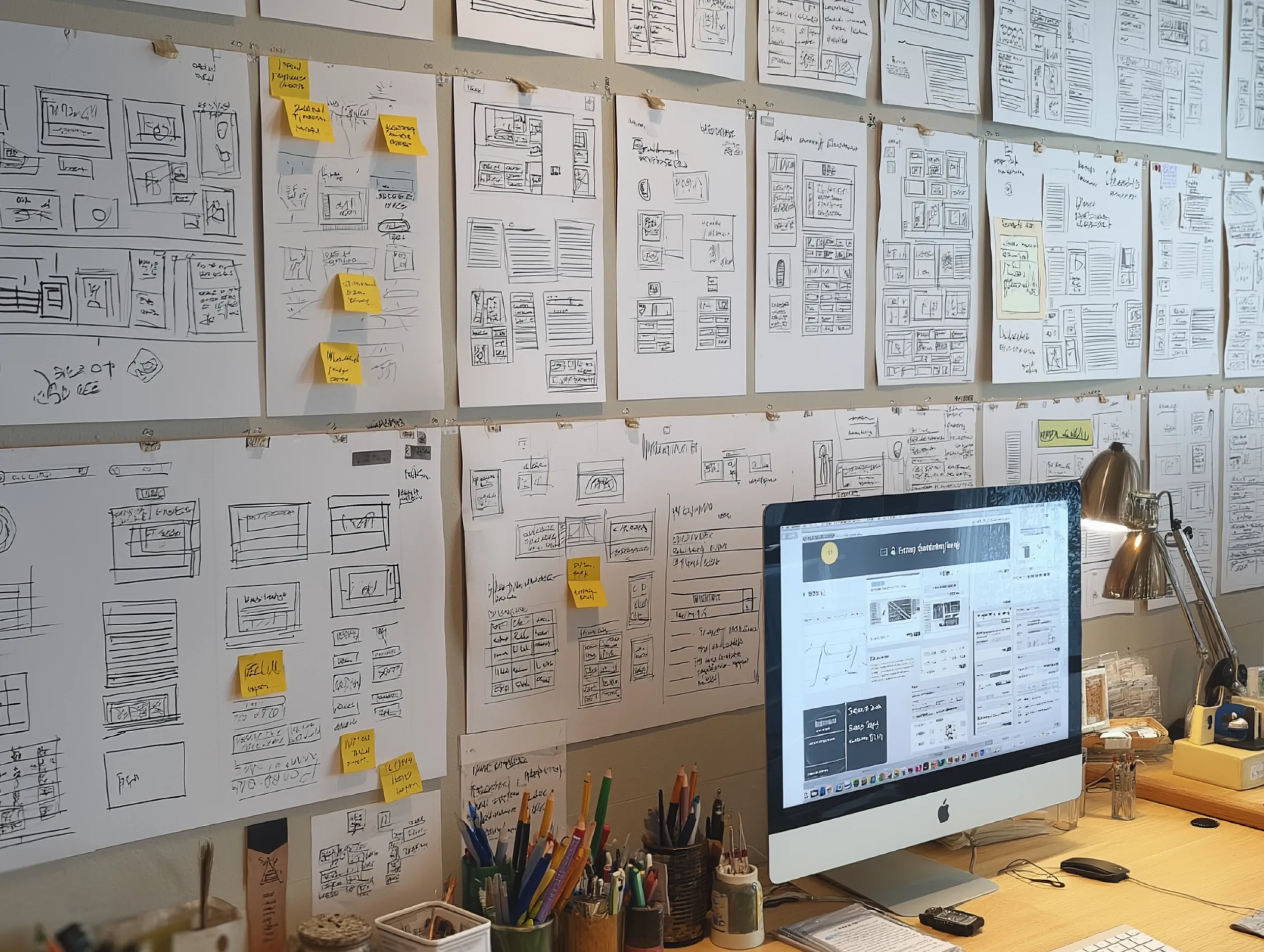
There was a time when software was built by engineers for other engineers. Interfaces were dense, cluttered and packed with functionality because that’s what “powerful” looked like. If users struggled to navigate it, the answer was usually a manual or a training session.
Then UI/UX design stepped in and changed everything.
From function-first to human-first
Old-school tech prioritized backend logic. Design came last, if at all. But as digital tools moved into the hands of everyday users, friction started showing. People didn’t want to read long guides or click through ten layers just to complete a task.
UI/UX design flipped that script. It introduced empathy into product development. Instead of asking, “What can this system do?” teams started asking, “How will someone feel using this?”
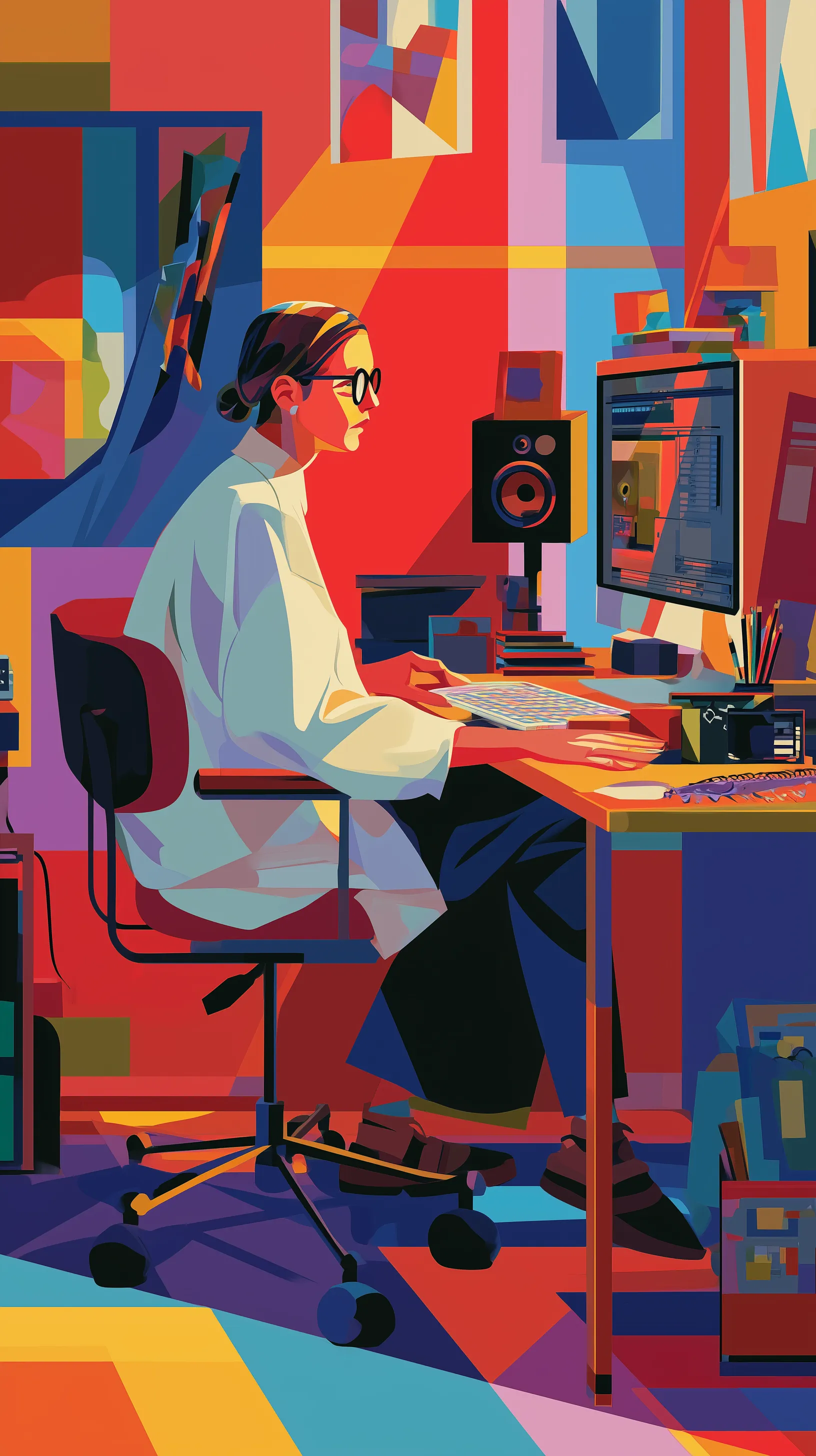
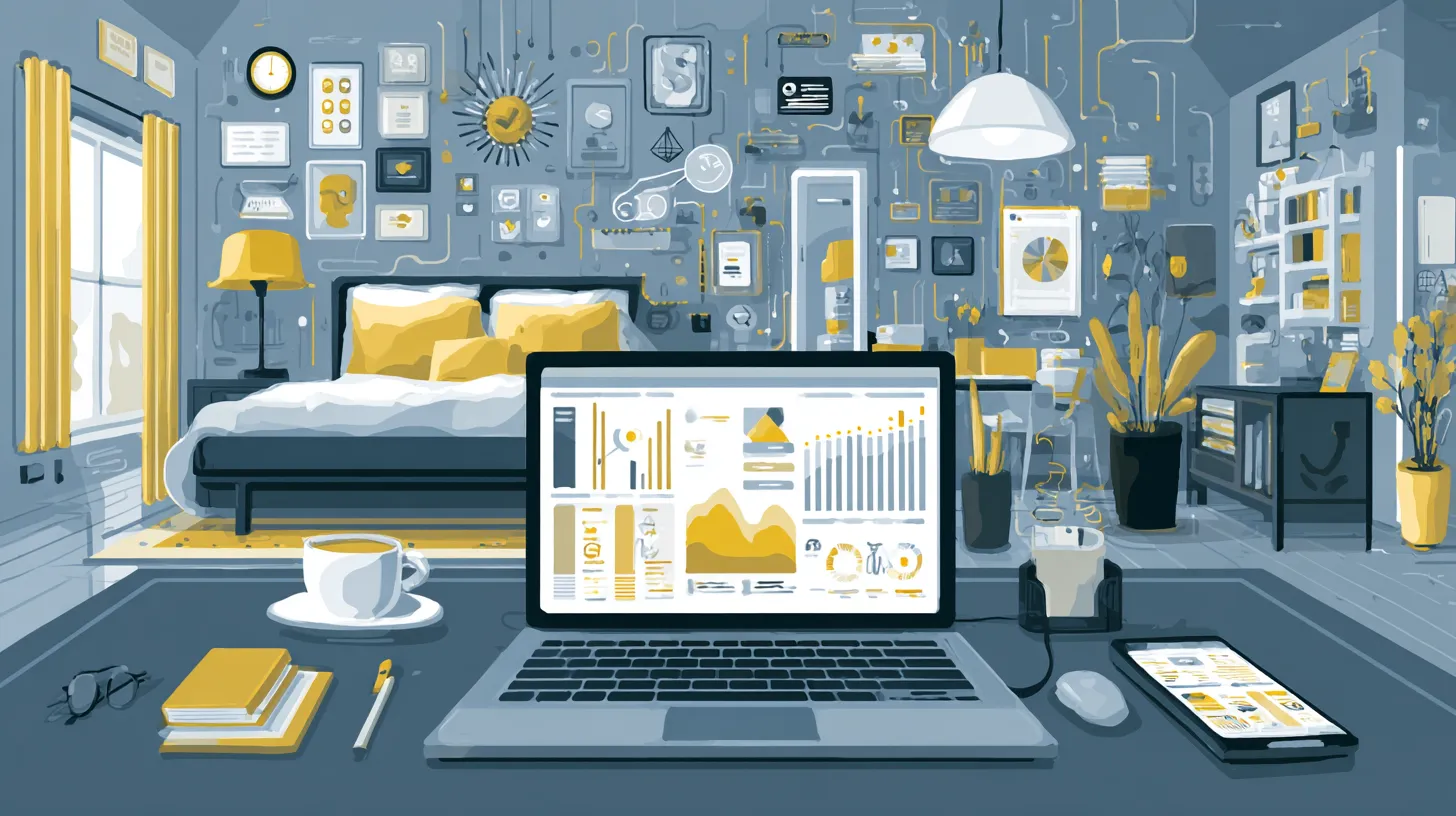
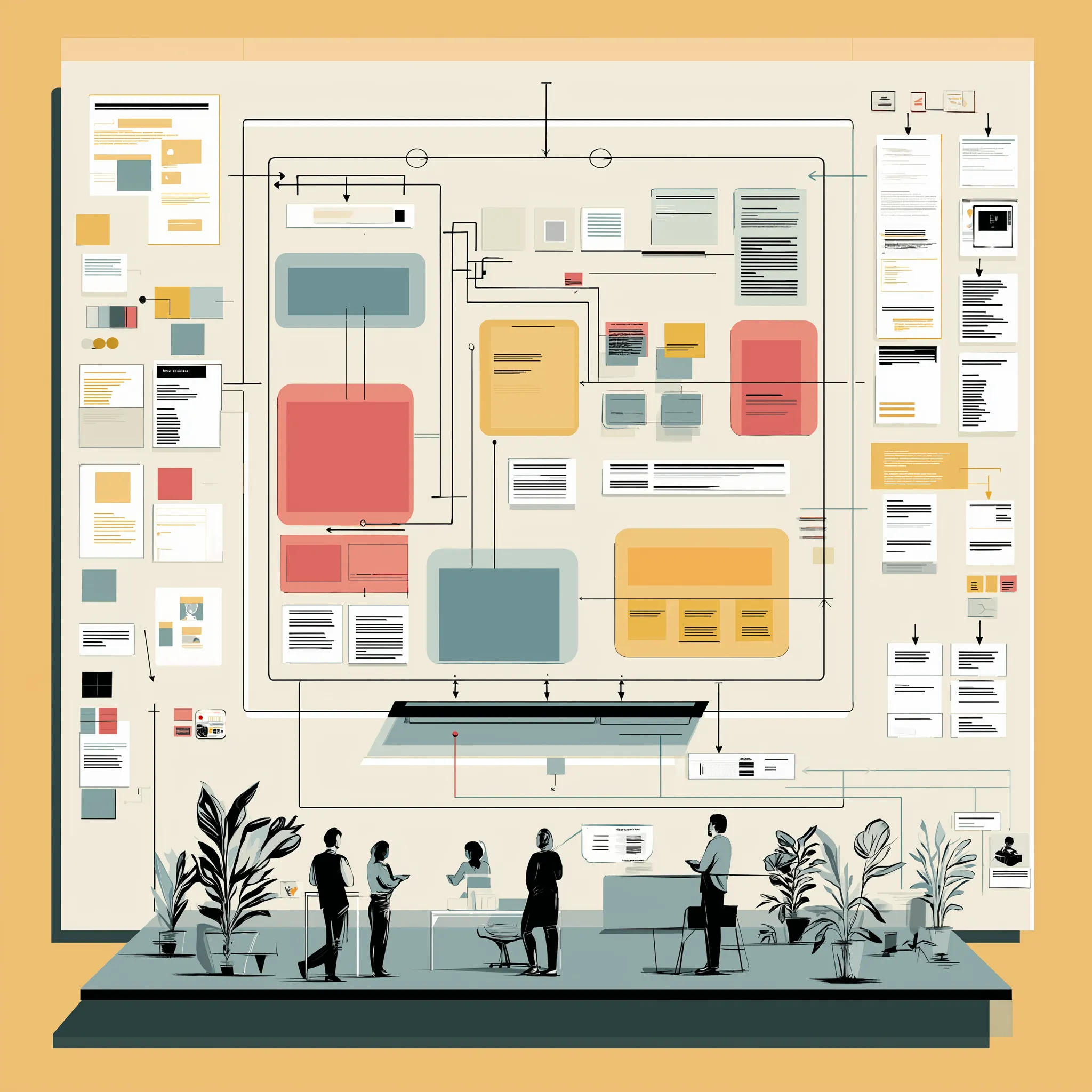
The tech industry used to prize feature sets. The more buttons, the better. But users didn’t care how many things a platform could do if they couldn’t figure out how to do one of them. UI/UX shifted focus to clarity, reducing clutter, guiding actions and simplifying choices.
Suddenly, less became more.
Complexity gave way to clarity
Startups embraced it first and never looked back
Large corporations were slower to adapt but startups didn’t have time for friction. They needed products that could explain themselves in seconds. Early adopters of good design began standing out not just because of what their platforms did but because of how they felt to use.
That shift helped launch some of the biggest names in tech today.
UI/UX is no longer optional. It’s the standard
Modern users expect intuitive flows, responsive layouts and experiences that just make sense. If your product can’t deliver that, they bounce. Clean UI and thoughtful UX are now baked into every successful product from day one not added after launch.
At eComia, we design with that same mindset. Every layout, transition and interaction is shaped to remove friction and move users forward. Because in today’s tech landscape, good design isn’t just a nice-to-have, it’s what separates the products people try from the ones they stick with.